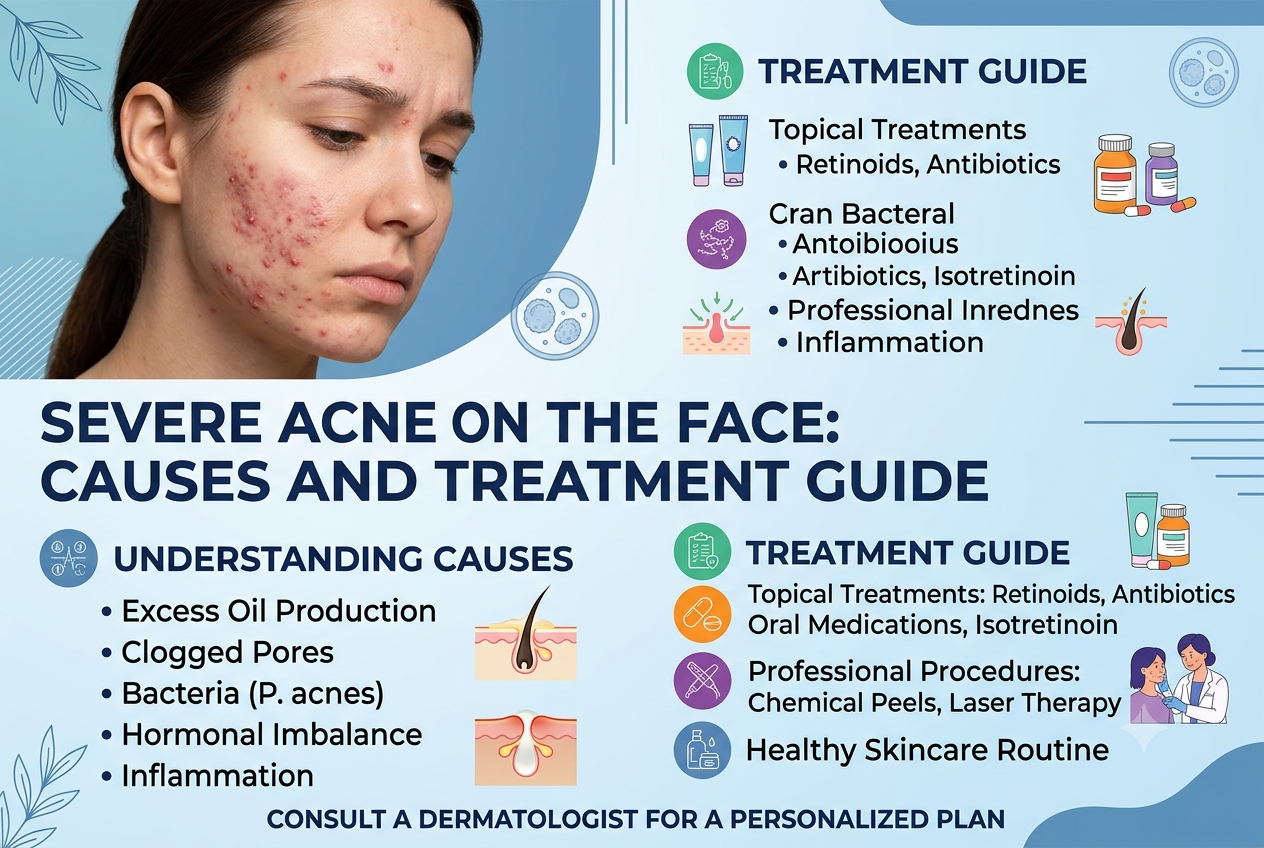
Having severe acne on your face can not only cause painful pimples and inflamed red spots but can also cause pain, and deep spots. These can commonly occur on the forehead, cheeks, chin and jaw. If not cared for properly this can leave dark spots and permanent scarring. Knowing the cause and choosing the right treatment can help improve your symptoms.
Those looking into treating their acne may have heard of Accufine 5 mg and Accufine 10mg. Speak to a qualified healthcare professional to ensure you know what active ingredient you are using and if it’s suitable for you. Choosing the correct treatment will depend on how severe your acne is, along with your medical history.
What Causes Severe Acne?
Acne occurs when the hair follicles become clogged with excess oil and dead skin cells. This can cause whiteheads, blackheads and inflamed pimples. When the pimple becomes inflamed deeper in the skin this can cause painful bumps.
There are many reasons why someone can get severe acne on their face:
- Excess oil: Excess oils on the skin can cause pores to get clogged.
- Hormones: Hormone changes during puberty and other times in your life can cause pimples.
- Genetics: Family history can cause more chronic acne.
- Stress: Some people may find their acne gets worse with stress.
- Skincare: Using heavy products and ones that can cause clogged pores can cause your pores to get blocked.
- Picking and squeezing pimples: Can cause more inflammation.
Knowing what can cause your acne can help you choose the best skincare products for your skin.
Signs of Severe Acne on the Face
Severe acne can look very different to mild acne. Common signs include having many different spots and can be quite uncomfortable.
Common signs include:
- Large painful red pimples
- Deep bumps
- Redness and soreness
- Persistent pimples on the cheeks, forehead and jaw.
- Dark spots
- Scarring or uneven skin.
Deep painful acne usually requires medical intervention. Getting the issue assessed early can help reduce the inflammation.
Treating Severe Acne on the Face
Gentle Cleansing
Clean your face twice a day using a gentle cleanser and lukewarm water. Try not to scrub too hard and use your fingertips to cleanse. Using a harsh cloth or scrub can cause more irritation.
Pat your skin dry using a clean soft towel. Avoid washing your face too frequently as this can cause dryness.
Suitable Moisturiser and Sun Cream
Using a moisturiser can help keep your skins natural barrier intact. Using a light non-comedogenic moisturiser can help reduce blocked pores.
Apply a broad spectrum sun cream with a high SPF (30+) every morning. This will help reduce the dark spots left behind after your acne clears. If your skin feels sensitive use gentle products. Avoid using too many new ingredients.
Don’t Pick or Squeeze
Squeezing your pimples can cause damage to your skin and cause more swelling. It can cause the inflammation to get worse.
Let the spots clear. If you are getting deep bumps, painful pimples or scarring book an appointment with a dermatologist.
Review Skincare Routine
Use products suited to your skin. Take off your makeup before bed. Ensure any products that come into contact with your face are clean such as your pillow case, towel and makeup.
Avoid using any harsh scrubs, over-exfoliating and products that burn or cause redness. Introduce new products slowly so you can see what helps and what causes irritation.
Understanding Accufine 5mg and Accufine 10mg
Those looking into treating severe acne may have heard of Accufine 5mg and Accufine 10mg. Speak to a pharmacist or prescribing clinician to ensure you know what active ingredient is in the product and what it’s approved for.
If they contain isotretinoin then your dermatologist may consider using it for certain cases of severe acne. This helps to reduce oil production and can help with controlling chronic inflammatory acne. However, it can cause severe side effects and must be carefully managed by a medical professional.
Choosing the correct treatment and strength will depend on your individual circumstances. This includes your weight, severity of acne, response to treatment and how well you tolerate it. Don’t assume you can use a lower strength as it will be ‘safer’. It will depend on your individual circumstances.
Never start using, change the dose or use prescription acne treatments without professional guidance. Follow the instructions given and attend any follow up appointments.
Important Safety Information
If your clinician has confirmed the product contains isotretinoin then talk to them about the risks.
- Dryness: Can cause dry lips, dry skin and irritation around the eyes.
- Medical monitoring: Your clinician may want to see you regularly and run blood tests.
- Pregnancy: Isotretinoin can cause severe birth defects. Never use this whilst pregnant. Ensure you follow all pregnancy prevention guidelines.
- Vitamin A: Speak to your clinician before taking vitamin A supplements.
Seek medical attention if you experience severe headaches, changes to your vision, significant changes to your mood or any other concerning symptoms.
Ensure you keep this product away from others and never share any prescription treatment. Always seek medical advice tailored to your health needs.
Lifestyle Changes
Making healthy lifestyle choices can help your skin. However, this may not help with severe acne.
Try eating a balanced diet with plenty of fruit, veg, wholegrains and protein. Drink plenty of water and try to stick to a regular sleep pattern. If your acne seems to get worse with stress then try going for a walk, doing light exercise or relaxing.
Using non- comedogenic makeup and removing it before bed. Avoid changing your whole skincare routine. This can cause irritation and make it difficult to see what is working.
Remember that acne doesn’t mean you have dirty skin. Be patient with your skincare and seek professional advice if you are struggling with pimples.
Treatment for Severe Acne in the UK and Australia
If you’re in the UK then you can talk to your GP about your chronic acne, painful spots or scarring. If you’re in Australia then you can get assessed by a GP or dermatologist.
Prescription requirements and availability may differ. Always follow local guidelines and speak to a qualified healthcare professional to ensure you know what product you are using.
Conclusion
Severe acne on the face can cause discomfort, low confidence and affect your skin health. By following a gentle skincare routine, avoiding squeezing pimples, protecting your skin from the sun and seeking professional help for deep or persistent pimples can help.
Only consider using Accufine 5mg and Accufine 10 mg after a healthcare professional has confirmed what ingredients are in the product and if it’s suitable. By seeking early treatment and keeping a regular skincare routine can help reduce the inflammation.